

Introduction
Work trucks are essential vehicles in various industries, from construction and transportation to utilities and emergency services. These trucks are designed to carry heavy loads and operate under demanding conditions, making safety a top priority. One crucial component that directly impacts the safety and efficiency of work trucks is the braking system. In this comprehensive guide, we will explore the importance of work truck brakes, discuss different types of brakes, maintenance practices, and troubleshooting tips to ensure optimal performance and safety.
Importance of Work Truck Brakes
The braking system of a work truck plays a critical role in ensuring the safety of the vehicle, its occupants, and other road users. Work trucks are often loaded with heavy cargo or equipment, which increases the vehicle's weight and stopping distance. Properly functioning brakes are essential to bring the vehicle to a safe stop, especially in emergency situations or when navigating steep terrain.
In addition to safety considerations, efficient brakes can also enhance the overall performance and productivity of work trucks. Smooth and responsive braking allows drivers to maneuver the vehicle with precision, improving handling and control. Well-maintained brakes can also reduce wear and tear on other components of the vehicle, leading to lower maintenance costs and extended service life.
Types of Work Truck Brakes
Work trucks may be equipped with different types of braking systems, each with its own unique characteristics and applications. The most common types of brakes found in work trucks include:
1. Hydraulic Brakes: Hydraulic brakes use fluid pressure to transmit force from the brake pedal to the brake components, such as calipers or wheel cylinders. These brakes are widely used in commercial vehicles due to their reliability and effectiveness. Hydraulic brakes provide precise control over braking force and are capable of handling heavy loads.
2. Air Brakes: Air brakes are commonly used in heavy-duty trucks and commercial vehicles. These brakes use compressed air to actuate the brake components, providing consistent and reliable braking performance. Air brakes are well-suited for work trucks that operate in challenging conditions, such as off-road or construction sites.
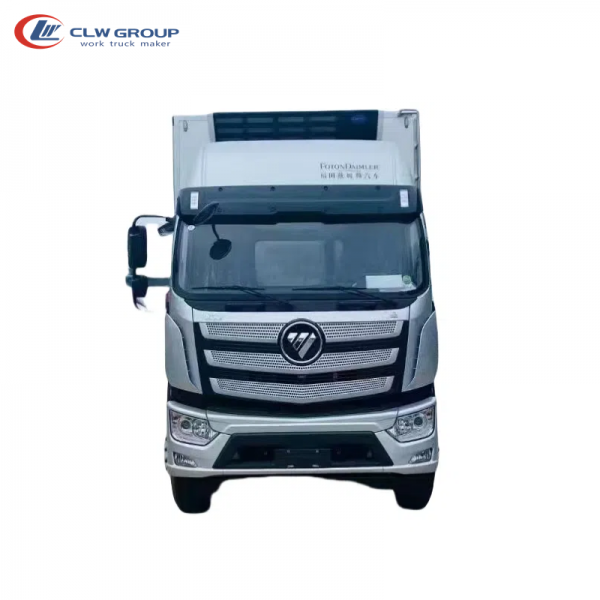
3. Highest-rated customer reviews on box trucks : Electric brakes are powered by an electric current and are often used in trailers and towing applications. These brakes are activated when the driver applies the brake pedal, sending an electrical signal to engage the braking system. Electric brakes provide smooth and proportional braking force, making them ideal for work trucks that tow heavy loads.
Maintenance Practices for Work Truck Brakes
Proper maintenance of work truck brakes is essential to ensure their reliable performance and longevity. Neglecting brake maintenance can lead to premature wear, decreased braking efficiency, and safety risks. Here are some important maintenance practices to keep work truck brakes in optimal condition:
1. Regular Inspections: Conduct regular visual inspections of the brake system to check for signs of wear, leaks, or damage. Inspect the brake pads, rotors, calipers, and brake lines for any abnormalities. Address any issues promptly to prevent further damage.
2. Brake Fluid Check: Check the brake fluid level and condition regularly. Brake fluid plays a crucial role in transmitting hydraulic pressure within the braking system. Low fluid levels or contaminated fluid can lead to brake failure. Follow the manufacturer's recommendations for brake fluid replacement intervals.
3. Brake Pad Replacement: Monitor the thickness of the brake pads and replace them as needed. Worn brake pads can reduce braking effectiveness and increase stopping distances. Replace brake pads in sets to ensure balanced braking performance on all wheels.
4. Rotor Resurfacing or Replacement: Inspect the brake rotors for wear, warping, or scoring. Resurface or replace the rotors as necessary to maintain smooth braking performance. Properly machined rotors are essential for even contact with the brake pads.
5. Brake System Bleeding: Air can enter the brake system over time, compromising brake performance. Bleed the brake system regularly to remove air bubbles and ensure proper hydraulic pressure. Follow the manufacturer's recommended bleeding procedure for your specific work truck.
Troubleshooting Tips for Work Truck Brakes
Despite regular maintenance, work truck brakes may encounter issues that require troubleshooting and repair. Understanding common brake problems and their potential causes can help diagnose and resolve issues promptly. Here are some troubleshooting tips for work truck brakes:
1. Spongy Brake Pedal: A spongy or soft brake pedal can indicate air in the brake lines or a brake fluid leak. Check the brake fluid level and inspect the brake lines for leaks. Bleed the brake system to remove air and restore brake pedal firmness.
2. Grinding Noise: A grinding noise when applying the brakes can be a sign of worn brake pads or rotors. Inspect the brake pads and rotors for excessive wear and replace them if necessary. Ignoring grinding noises can lead to further damage to the braking system.
3. Pulling to One Side: If the work truck pulls to one side when braking, it may indicate uneven brake pad wear or a sticking caliper. Inspect the brake pads for uneven wear and check the calipers for proper operation. Adjust or replace components as needed to correct the pulling behavior.
4. Vibrations or Pulsations: Vibrations or pulsations felt through the brake pedal can be a sign of warped brake rotors. Warped rotors can cause uneven braking and lead to a pulsating sensation when braking. Resurface or replace the rotors to eliminate vibrations and restore smooth braking performance.
5. ABS Warning Light: The Anti-Lock Braking System (ABS) warning light illuminating on the dashboard indicates a fault in the ABS system. Diagnose the ABS system using a scan tool to identify the source of the issue. Common causes include wheel speed sensor malfunctions or ABS module failures.
Conclusion
Work truck brakes are vital components that ensure the safety, performance, and efficiency of commercial vehicles. Understanding the importance of work truck brakes, different types of braking systems, maintenance practices, and troubleshooting tips is essential for fleet managers, drivers, and maintenance personnel. By implementing a proactive approach to brake maintenance and addressing issues promptly, work truck operators can minimize downtime, reduce repair costs, and enhance overall safety on the road. Prioritizing the care and maintenance of work truck brakes is key to achieving optimal performance and reliability in demanding work environments.